Jack Skeels
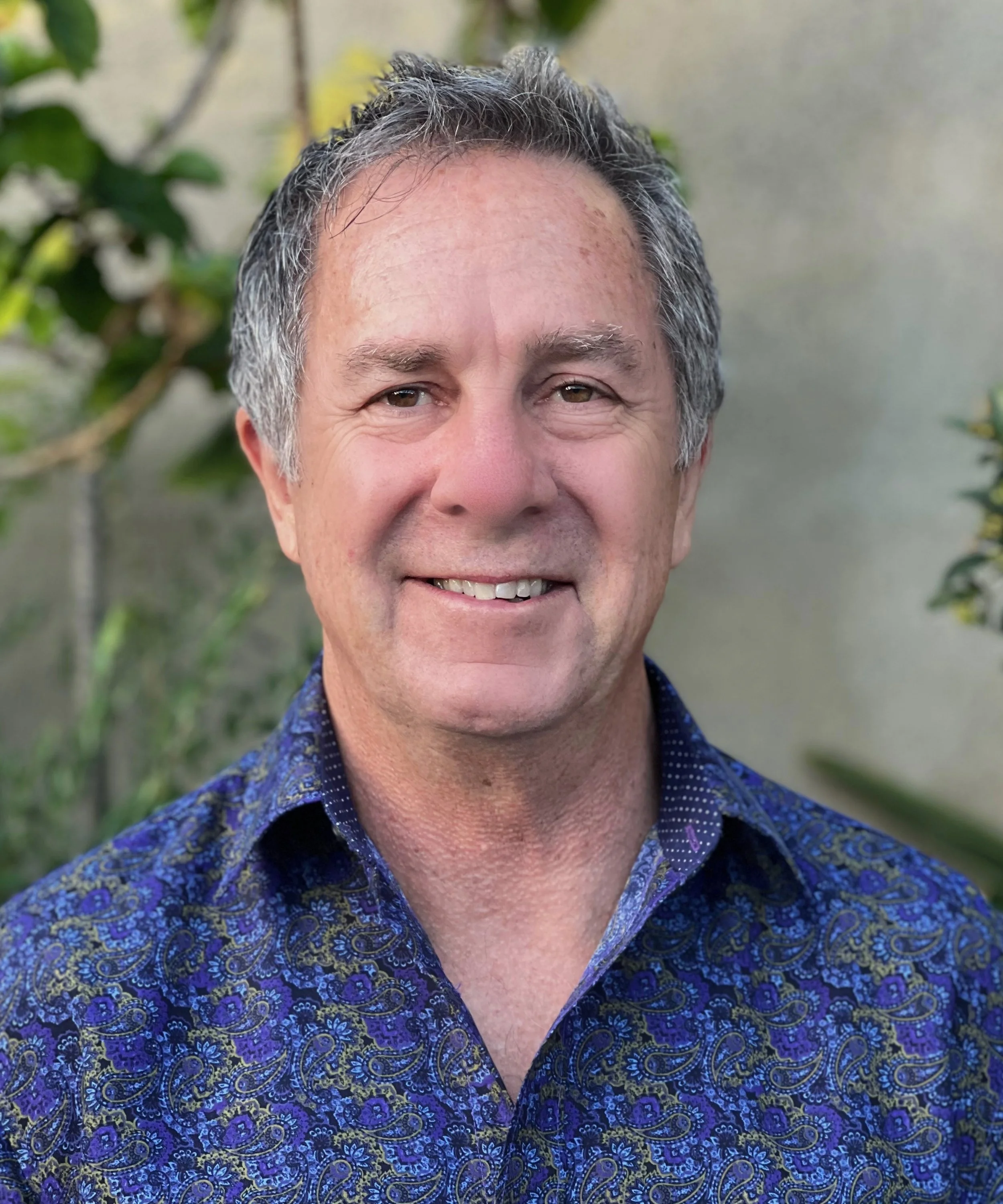
I've spent most of my career on one question: why is it so hard for smart teams to get good work done?
I first got to work on it seriously at RAND, where I spent four years starting in 1998 as a management scientist, learning to see organizations as systems. Then I went into the agency world — running Sapient's 105-person LA office, leading delivery at BLITZ — and the RAND lens made two things uncomfortably clear: what was wrong with the agencies, and what was wrong with me. I was a reluctant project manager and, for a stretch, a genuinely bad manager, making the same structural mistakes I now poke fun at and steer people away from.
The answer to the question was never talent or effort. It was organizational structure: unclear scope, chaotic collaboration, costly over-management. Smart people, trapped in org designs never built for the work they were actually doing.
AGENCYAGILE & 200+ ORGANIZATIONS
In 2011 I founded AgencyAgile to do something about it. Over 15 years we worked with more than 200 organizations — agencies, consultancies, project-driven teams of all kinds — building and refining methods for how work actually flows. The core innovation was Workstream Pods: small, empowered, cross-functional teams replacing the handoff-heavy model. Many of those organizations still run the model a decade later, which is the outcome I'm proudest of — not the engagement, the persistence.
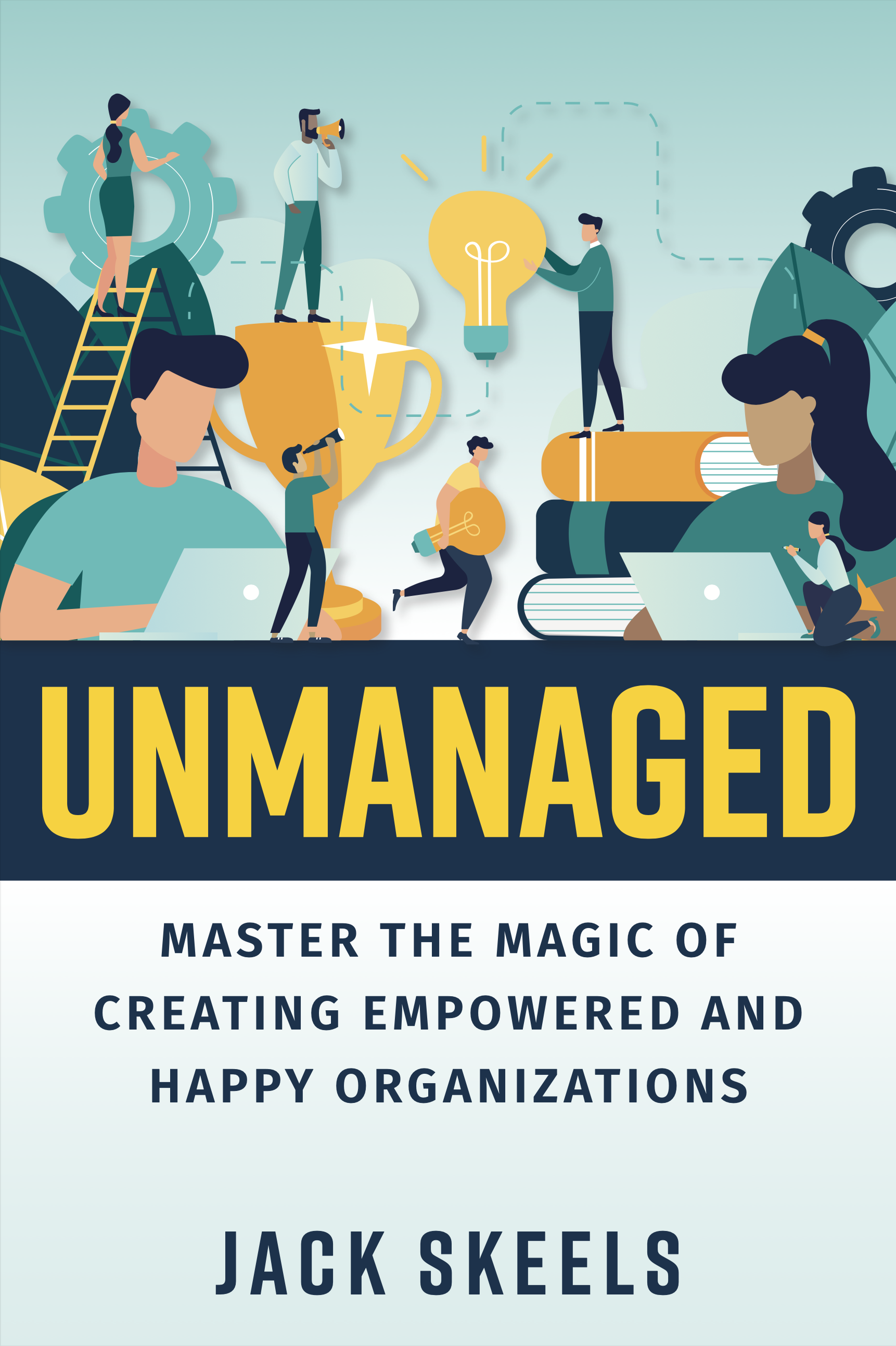
The work was published in MIT Sloan Management Review and became the foundation for my book UNMANAGED, which won five awards, including the Axiom Gold Medal. Kirkus called it "a bracing, standard-resetting approach to doing management right." I'll take their word over mine.
BETTER COMPANY
Better Company exists because the question changed. For 15 years, the job was making agencies run faster and happier — and it worked, measurably. But AI is draining the margin out of the production work agencies have always billed for, and faster production of cheaper work is not a strategy. The question now is harder: how must the organization itself change when production becomes cheap and judgment becomes the thing clients pay for?
The co-creative techniques I built at AgencyAgile — context briefings, team-driven roadmapping — were the right idea. In the last couple of years I've had engagements where we pushed the work upstream, into the client's actual situation, because it was the only place left to go. It worked — better than I expected.
Moments like that are why I do this at all: what I truly love is working with leaders on their businesses — and there's nothing quite like watching an organization start to run better, watching people actually enjoy working together again. That's the reward.
I started chasing it at Sapient and BLITZ, and in what the first 30 AgencyAgile clients taught me, each time finding what was missing and building the pieces to fill it.
In that same way, I see a new model emerging. I call it the Y-Shaped Organization. It seems to work as a path out of the order-taker model and into value-driven solution work. Given today’s turbulence, I think those are the firms that are going to win.
RAND CORPORATION
RAND has been a through-line: three engagements across more than 25 years. The first, four years as a management scientist, where I learned that structure creates behavior, coordination has real costs, and the difference between a good design and a bad one shows up in everything from morale to margin. They've invited me back twice since — in 2018 and currently — as an adjunct researcher, both times to help them think about their own organizational future. My current work focuses on what AI means for work process, structure, and competitiveness.
BACKGROUND
I started as an industrial engineer, grounded in Deming, Lean, and the Toyota Production System. I co-founded PDIT, a data science and program management firm that earned two Inc. 500 awards. I founded Sinox Pharma around a sinus care product (Snoot!) I patented. I've taught at the Pardee RAND Graduate School and at USC's Marshall School of Business. I trained in leadership coaching at the Hudson Institute of Coaching in Santa Barbara. My MBA is in Finance and Entrepreneurship from USC Marshall. It's an odd résumé, and the oddness is the point: I keep ending up wherever the question led me. It’s a fun ride.
I write regularly at jackskeels.com and on LinkedIn.
But the writing is the thinking; the real work happens in conversation. If you're running an agency and any of this sounds like what you're living — the growth that got harder, the AI tools that changed nothing, the sense that there's a better way to work with your clients than taking orders — I'd genuinely like to hear about it. Tell me what you're seeing. The first conversation is just that: a conversation.
ABOUT
“AgencyAgile really helped our team find the right path forward. I particularly appreciate the training for leads and managers, because our worlds change too — they helped us become better managers.”Agency Leadership, 100+ person organization
“Our clients have become partners in the projects, literally asking, 'How have we done a big project like this before without these sessions?'”Delivery Lead, Full-service Agency
200+ Organizations
Agencies, consultancies, and project-driven teams — 15 years of methods tested and refined at scale
MIT Sloan Management Review
Published research on pod-based organizational models for creative and service firms
RAND Corporation
Three engagements over 25 years, currently advising on AI and organizational structure
UNMANAGED
Five-time award-winning book on leadership and organizational design
Let's chat.
The first conversation is free.
Where do you want to take your organization? I'd like to hear about it. Book us a 30-minute conversation, or shoot me a note. I'll get back to you personally.
No pitch, no pressure. Just a conversation about what you're seeing.